Best Slow Feeders for Dogs: Pick by Eating Style
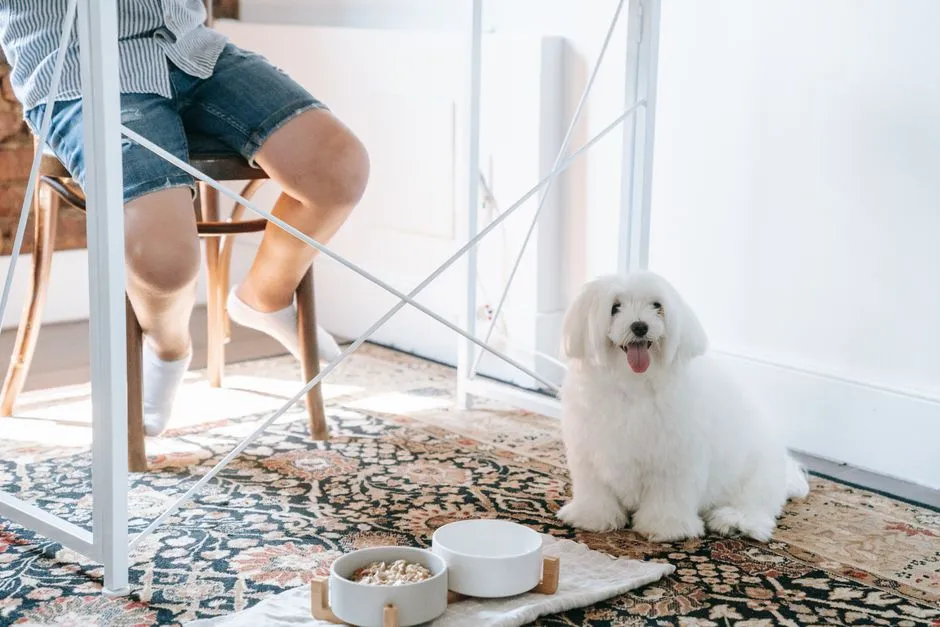
- Best slow-feeder types by eating style
- Our evaluation criteria
- Best overall: broad integrated maze bowl
- Best for beginners and seniors: simple spiral
- Best for flat-faced or mobility-limited dogs: low-profile feeder
- Best for wet-food enrichment: shallow lick mat
- Best for calm puzzle users: portion-dispensing toy
- Best budget adaptation: secure removable insert
- Materials: examine condition, not marketing shorthand
- Introduce difficulty in three meals
Best slow-feeder types by eating style
The best general slow feeder is a broad, shallow integrated maze bowl: it works with dry or wet food, has no loose insert, and can be easy to inspect. Choose a simple spiral for beginners, a wider low-profile maze for flat-faced or mobility-limited dogs, a lick mat for supervised soft-food enrichment, or a portion-dispensing toy for dogs who solve it calmly.
We did not conduct product testing and are not naming a pretend winner. These picks are design types evaluated by food access, cleaning, stability, loose-part risk, frustration, and suitability for the individual dog. Nothing here is for sale.
Slow eating equipment is not treatment for coughing, choking, regurgitation, vomiting, dental pain, swallowing difficulty, breathing trouble, weight loss, or gastric dilatation-volvulus risk. Those concerns belong with a veterinarian.
| Best for | Type | Why it stands out | Worth knowing |
|---|---|---|---|
| Most dogs | Broad integrated maze bowl | Versatile, stable, no removable obstacle | Deep channels can frustrate or trap food |
| Beginners and seniors | Simple spiral or three-ridge bowl | Easy to learn and inspect | May not slow a determined gulper much |
| Flat-faced dogs | Wide low-profile feeder | More muzzle room and easier breathing posture | Takes more floor space and may spill |
| Wet food enrichment | Lick mat with shallow texture | Spreads soft food into a supervised activity | Not a full-meal solution for chewers |
| Calm puzzle users | Portion-dispensing toy | Adds movement and problem-solving | Noisy, messy, and unsuitable for frantic biting |
| Existing safe bowl | Secure removable insert | Lower-cost way to add obstacles | Detachment and chewing are real failure modes |
Our evaluation criteria
We favour designs that allow the dog to reach every channel without scraping the muzzle, open the mouth normally, and finish an appropriate portion without panic. Rounded obstacles are preferable to sharp or narrow projections. A heavy or nonslip base should resist ordinary pushing without creating a toe or jaw trap.
Cleaning matters as much as feeding speed. Food contacts seams, suction cups, textured corners, and nonslip material. The full food-contact surface should be visible, reachable by a brush, and washable after each use according to the manufacturer. “Dishwasher safe” needs a rack and cycle instruction, not hopeful steam.
We also check:
- Food type and portion capacity.
- Internal versus decorative dimensions.
- Manufacturer age, size, and supervision limits.
- Material and food-contact claims backed by documentation.
- Loose pieces, damaged coatings, and chewable edges.
- Stability on the actual floor.
- Whether tags, teeth, lips, or lower jaw can enter gaps.
- Return and warranty terms, verified at purchase.
Best overall: broad integrated maze bowl
Why this type earns the top spot
An integrated maze moulds the obstacles into the bowl, removing the principal detachment risk of an insert. A broad base can resist sliding, and a moderate pattern divides food without requiring advanced puzzle skills. It accepts kibble, mixed textures, and many wet foods when channels are wide and cleanable.
Choose a maze with several rounded lanes wider than the dog’s muzzle. Put the usual measured meal into it and watch the entire first session. The dog should lick or pick food out, not bite the ridges, flip the bowl repeatedly, or stop before eating enough.
Worth knowing
“Maze” covers everything from gentle curves to a tiny plastic hedge labyrinth. Deep narrow channels can be inaccessible for short muzzles, large tongues, dental pain, or limited neck movement. Decorative complexity also increases cleaning time. If yesterday’s dinner requires an archaeological brush, the design has overperformed.
Best for beginners and seniors: simple spiral
Why this type works
A single spiral or a few broad raised sections create detours without making the meal a cognitive entrance examination. The open pattern is easy to inspect for residue and lets a caregiver see whether the dog can reach food comfortably.
This is a sensible starting point for puppies learning to eat calmly, seniors without significant medical limitations, and dogs that become frustrated by complex puzzles. Choose shallow rounded contours and stable footing.
Worth knowing
A simple design may barely affect a highly practised gulper. Do not compensate by jumping to extreme difficulty. Try spreading the same portion across a larger bowl, dividing meals only under veterinary feeding guidance, or using another calm method. Sudden or obsessive gulping, hunger, weight change, or scavenging may warrant medical and behavioural assessment.
Best for flat-faced or mobility-limited dogs: low-profile feeder
Why this type works
A wide, shallow tray with low ridges gives the muzzle more approach angles and requires less deep neck flexion. Food spread across the surface can slow intake by distance rather than by narrow barriers.
For brachycephalic dogs, breathing concerns deserve veterinary advice, and no bowl changes airway anatomy. Observe respiration, coughing, gagging, colour, and recovery. Stop any feeding setup that worsens distress.
For dogs with arthritis, neurologic issues, neck pain, or weakness, ask the veterinarian about position and height. Evidence and recommendations around elevated bowls are not a universal mandate, particularly where bloat risk is a concern.
Worth knowing
Wide trays occupy more space and can fling wet food or kibble beyond the edge. Low weight may allow pushing. Put the feeder on a washable nonslip mat that cannot bunch or be chewed, and confirm the dog is not chasing pieces under furniture.
Best for wet-food enrichment: shallow lick mat
Why this type works
A lick mat spreads a thin layer of canned food, soaked kibble, pumpkin used with veterinary approval, or another suitable soft meal component across texture. Licking can lengthen delivery and provide calm occupation for dogs that use the mat without chewing.
Select a mat large enough to spread food thinly, with low textures the tongue can clear. Use it flat on the floor or in the mounting position the manufacturer specifies. Wash immediately after perishable food.
Worth knowing
Flexible mats are inviting chew objects for some dogs. Suction cups can release, and torn pieces can be swallowed. Supervise continuously and remove the mat when food is gone. Do not freeze food to a rock-hard surface for a dog with dental disease or sensitivity without veterinary guidance.
A lick mat may deliver only part of a nutritionally complete meal. Track the full portion and calories, especially when using treats or spreads.
Best for calm puzzle users: portion-dispensing toy
Why this type works
A rolling or wobbling toy releases dry food through an opening as the dog moves it. Adjustable apertures can match kibble size, and the activity separates pieces while adding problem-solving.
Use it on a safe enclosed floor away from stairs, other pets, fragile objects, and places the toy can become trapped. Begin with an easy opening so success arrives quickly. Supervise until the dog’s method is predictable.
Worth knowing
The toy can be loud, spread food across a dirty floor, trigger competition, or encourage frantic biting. It is a poor choice for dogs that guard food, swallow foreign material, become overaroused, or have movement restrictions. Clean internal cavities completely; a toy that will not open for washing should not host oily food indefinitely.
Best budget adaptation: secure removable insert
Why this type works
An insert adds raised obstacles to an existing bowl and can reduce the need for another full container. Some attach by suction, a base mechanism, or a fit specified for a particular bowl.
Confirm material compatibility, bowl diameter, food type, attachment, and clearance. Tug-test it before every meal and supervise. The insert must not create a gap where a tongue, jaw, tooth, or tag can become caught.
Worth knowing
Detachment is the entire problem. A loose insert becomes a chewable object in food. Flexible fins can tear; suction changes with residue and surface; universal-fit claims may be optimistic. Persistent chewers and dogs with foreign-body history are better served by an integrated design selected with veterinary input.
Materials: examine condition, not marketing shorthand
Stainless steel is durable and easy to inspect when well made, but complex metal mazes are less common and seams matter. Food-contact plastic permits detailed shapes but can scratch, warp, or retain damage. Silicone can be flexible and quiet but may tear or hold odour. Ceramic is heavy but chips or glaze damage require retirement.
“BPA-free,” “non-toxic,” “natural,” and “food grade” are incomplete without a named standard, market, material, and manufacturer documentation. No material is safe after it cracks into swallowable pieces. Inspect before each meal and replace damaged gear.
Dogs with contact reactions, chin irritation, or recurrent skin problems need veterinary assessment rather than serial bowl speculation.
Introduce difficulty in three meals
For meal one, place only part of the usual food in the simple feeder and offer the remainder in the familiar safe setup. Watch technique and completion. For meal two, increase the feeder portion if the dog remained calm. By meal three, use the full appropriate portion only if access, posture, breathing, and cleaning all work.
Stop for coughing, repeated gagging, regurgitation, vomiting, frantic biting, bleeding gums, trapped anatomy, refusal, or inability to finish required food. Severe breathing difficulty, collapse, a swollen abdomen, or repeated unproductive retching is an emergency.
Wash after every use. Measure meals separately so food hidden in channels does not lead to accidental over- or underfeeding.
Feeding gear is one part of a pet home. Our dog-bed buying guide applies the same fit-first method to rest, while the best cat-carrier types and carrier measuring guide separate containment from transport claims.
The best slow feeder makes the meal slower without making the dog confused, sore, or unsafe. If the product turns dinner into combat with a small plastic fortress, choose the simpler bowl. The dog does not need to defeat architecture to receive nutrition.