How to Clean Pet Bowls, Slow Feeders and Food Toys
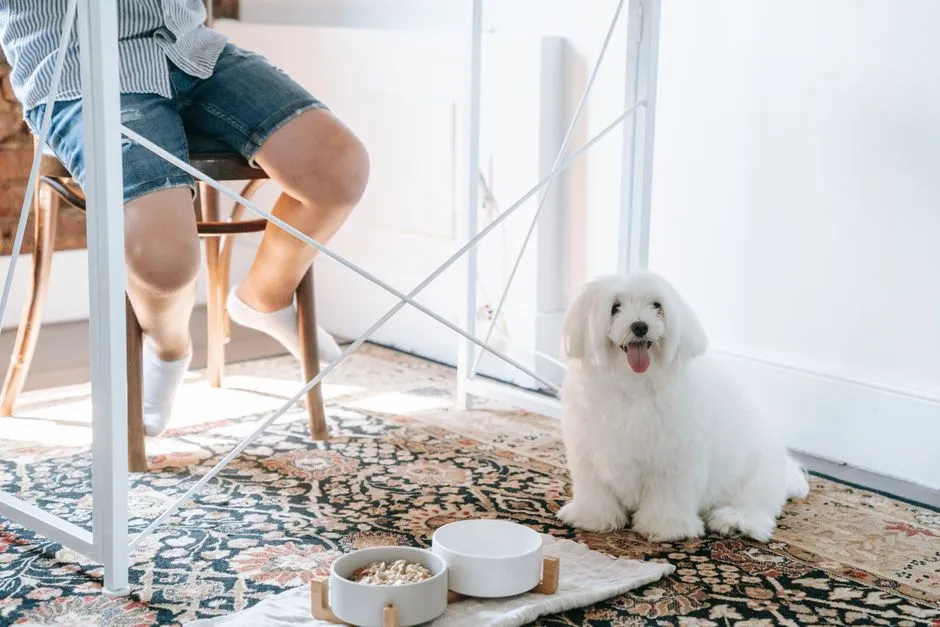
- How should you clean pet food and water bowls?
- How often do food bowls and water bowls need washing?
- What should you check before putting anything in water?
- What is the basic hand-washing sequence?
- Does dishwasher-safe mean every cycle is suitable?
- What changes with an automatic feeder?
- When do you need a disinfection plan?
- How can you make cleanup easier to repeat?
- What should make you stop using the item?
- Sources
How should you clean pet food and water bowls?
Wash dog and cat food bowls after each use and water bowls daily, using a method the manufacturer permits. Remove food residue, wash with detergent, rinse and dry before reuse. Check dishwasher instructions for each part, including heat limits. Keep pets away from cleaning chemicals and never mix cleaners. Illness, suspected chemical exposure or feeding problems need veterinary advice; a cleaner bowl is not treatment.
The job includes more than the surface your pet licks. A removable insert, a food toy's inner cavity and an automatic feeder's food path can have separate care instructions. Start with the exact item rather than assuming that everything sold for feeding can go through the same wash.
This guide covers equipment used by dogs and cats. It is not a cleaning protocol for reptile habitats, litter trays or infectious-disease isolation.
How often do food bowls and water bowls need washing?
The FDA advises washing pet food bowls and measuring utensils after every use, with soap and hot water. It also advises a separate clean scoop instead of dipping the feeding bowl into the food bag.
CDC's example schedule specifies washing after every wet-food use and daily for dry-food and water bowls. Our routine uses FDA's after-use rule for food bowls and CDC's daily rule for water bowls. Clean sooner when an item is dirty; this is not permission to leave visible residue until a calendar reminder.
A food-filled enrichment toy belongs in the feeding cleanup, not on a schedule intended for an unused toy. Avoid treating “the dog licked it empty” as a completed wash.
Keep a spare suitable bowl available while another is being cleaned. For households with multiple caregivers, a simple clean-bowl shelf can be more useful than trying to remember who washed which item.
What should you check before putting anything in water?
Find the model name, packaging instructions or manufacturer's support page. Look for the actual part name, permitted method, rack position, drying restrictions and any disassembly instructions. Save that information where everyone who feeds the pet can find it.
Use an inventory like this:
| Item in your household | Instruction to locate | Question that must be answered |
|---|---|---|
| Plain removable bowl | Hand-washing or dishwasher directions | Does approval include any attached base or coating? |
| Maze bowl or lick mat | Cleaning and inspection instructions | Can every food-contact groove be reached? |
| Stuffable food toy | Cavity cleaning and heat limits | Are soaking, top-rack washing and heated drying treated differently? |
| Automatic feeder | Component-by-component care section | Which parts are washable, and which must remain dry? |
This is an inspection framework, not a claim that all products in a row share the same construction.
If a component cannot be identified, ask the manufacturer before applying heat or chemicals. Do not dismantle a sealed powered unit or improvise repairs. Use a separate suitable bowl while you resolve the care instructions.
What is the basic hand-washing sequence?
Wash your hands with soap and water before and after handling pet food; FDA specifies at least 20 seconds. For washable bowls, empty the contents before washing. The FDA advises promptly refrigerating or discarding unused canned or pouched food and disposing of spoiled food securely; do not transfer old residue into the next meal.
CDC's basic method is to wash with soapy water, scrub, rinse away the remaining dirt and soap, then air-dry or use a clean towel. Follow the item's own instructions where they impose additional limits. Use water at a temperature you can handle without burns.
Make the inspection specific to the item: the underside of a removable rim, the bottom of each maze channel or the inside of a food cavity. A quick pass around the outside does not inspect those areas.
For a slow feeder, work through its pattern systematically rather than repeatedly brushing the easiest open section. Do not use sharp improvised tools to cut residue out of a surface. If you cannot reach the food-contact area using the approved method, ask the manufacturer about an appropriate brush or choose a simpler feeding tool.
Our slow-feeder buying guide compares designs by access and suitability. This cleaning check is the follow-up: can your household actually maintain the design you selected?
Does dishwasher-safe mean every cycle is suitable?
No. A rack instruction and a drying restriction are part of the permission, not optional details.
For a documented example, KONG's rubber-toy cleaning instructions permit top-rack washing but say to skip the drying cycle because excessive heat can damage the toy. Its hand-cleaning method uses warm water and dish soap, soaking for stubborn food, brushing the interior and thorough rinsing.
That instruction is specific to the rubber toys covered by the page. It does not establish dishwasher compatibility for another brand, a fabric toy or an electronic product.
The practical decision is straightforward: if your intended cycle conflicts with the product instructions, change the method, not the instructions. Do not claim an item has been disinfected simply because it went through a wash. Where a health situation requires a particular disinfection method that the equipment cannot tolerate, ask your veterinarian about an appropriate alternative.
We have not tested these products. The manufacturer example illustrates a care limitation, not a recommendation to buy that toy.
What changes with an automatic feeder?
A washable bowl does not make the complete feeder washable.
For example, the PetSafe Smart Feed operating guide distinguishes the dishwasher-safe stainless-steel bowl, top-shelf-compatible bowl holder, lid and hopper, and hand-wash-only conveyor and crumb catcher. The base and control panel must not be immersed. The guide includes switching off and unplugging before disassembly and requires completely dry parts before reassembly.
Use the full guide for the exact model, including its emptying and reassembly sequence. Do not apply those component permissions to a different feeder with a similar-looking hopper.
Make the feeding arrangements before taking equipment apart. Identify the usual food, appropriate portion and person responsible for the next meal; do not let a cleaning task silently become a missed feeding.
After reassembly, follow the manufacturer's checks before relying on automatic dispensing. A clean, assembled-looking feeder is not evidence that its food path has been fitted correctly. If anything is damaged or does not operate normally, stop using it and contact support. Electrical repairs belong with qualified service personnel.
When do you need a disinfection plan?
Cleaning removes dirt and germs; disinfecting is an additional germ-killing step. CDC advises additional disinfection when a pet is sick and more frequent cleaning and disinfection for higher-risk households. Ask the veterinarian what is appropriate for the animal, illness and equipment.
In the United States, EPA explains that disinfectant selection depends on the label's approved use and target organism. Contact time means how long the surface must remain visibly wet. A product name alone does not establish a suitable process.
Before use, read the full label for the intended surface, preparation, dilution if required, wet-contact time, ventilation, protective measures, rinsing and drying. A direction for a floor is not automatically a direction for a food bowl. If the label does not establish the proposed use, do not improvise.
Keep pets away from chemicals. Never mix bleach with other cleaners. CDC specifically warns against phenol-containing disinfectants around cats. Do not substitute a homemade mixture for a veterinary or label-directed process.
How can you make cleanup easier to repeat?
Our editorial preference is a small, documented system rather than a large collection of specialised equipment. Keep the instructions, appropriate washing tool and spare bowl together in your routine.
For a fictional two-person household, the handover might read: “Used bowls go in the designated wash area. Clean, dry bowls return to the left shelf. The rubber food toy uses its saved top-rack instructions with the drying cycle off.” Adapt the note to the actual products rather than copying its details blindly.
If one feeder repeatedly creates inaccessible residue, include cleaning burden in the next replacement decision. More grooves are not automatically better equipment. Choose on the animal's needs, inspectability and the maintenance your household can reliably perform.
Apply the same instruction-first approach to bedding through our dog-bed buying guide. Washable parts, drying requirements and spare equipment matter there too.
What should make you stop using the item?
Remove equipment with cracks, missing pieces, torn sections or damage that prevents proper cleaning or use. Do not try to restore a broken food-contact surface with glue or a stronger chemical wash. Ask the manufacturer about replacement components where appropriate.
If the pet develops feeding difficulty, recurrent vomiting or another health concern, contact a veterinarian rather than repeatedly changing bowls or cleaners. Suspected swallowing of a broken part or exposure to cleaning chemicals warrants prompt veterinary advice.
The aim is a repeatable care process: the right frequency, the right method for each part, and a clear decision when something should not return to use.