How to Measure a Pet for a Carrier or Crate
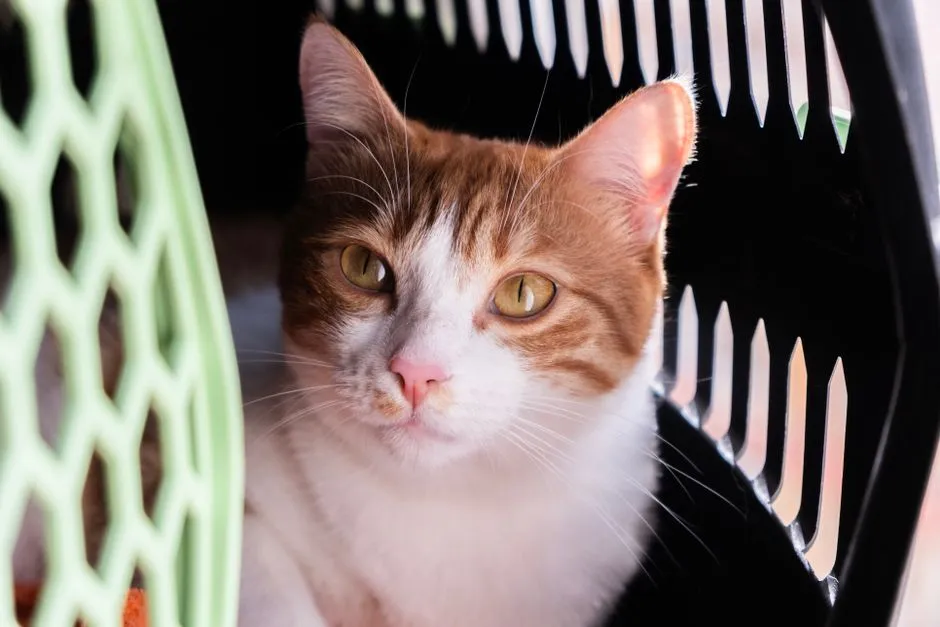
- Measure the standing pet, then compare usable interior space
- Gather a flexible tape and a helper
- Measure body length without adding fantasy clearance
- Measure standing height at the natural posture
- Measure width across the body, not the fur halo
- Weigh the pet and every item included in the limit
- Compare internal and external dimensions
- Mark the interior on the floor before choosing
- Check door geometry and handling
- Size for car travel and verify restraint evidence separately
- Airline sizing begins with the live itinerary
- Fit the liner without shrinking the carrier
- Remeasure when either body or product changes
Measure the standing pet, then compare usable interior space
To size a pet carrier or crate, record four facts: body length from nose to rump, natural standing height to the top of the head or ears as the relevant rule requires, shoulder width, and weight. Add clearance according to the product maker or transport authority, then compare with internal usable dimensions and the weight limit.
The pet should stand naturally, turn around, and lie down comfortably. More space is not always safer in motion because an animal can slide or tumble, while too little space restricts posture and ventilation. The correct fit also depends on whether the product is for home rest, clinic visits, car containment, cabin flight, cargo travel, or evacuation.
Policies change. Verify the exact airline, aircraft, route, operating carrier, destination, vehicle, and product certification immediately before travel.
Gather a flexible tape and a helper
Use a flexible measuring tape, bathroom or pet scale appropriate to the animal, treats, and a helper when that reduces stress. Measure on nonslip level flooring while the pet stands naturally. Do not stretch the neck upward or force a fearful cat to pose.
Take each dimension twice. Record the larger ordinary measurement, not a single compressed attempt. For a wiggly cat, photograph the tape position from the side or measure against floor marks while the cat walks through voluntarily.
If handling is unsafe, painful, or highly distressing, ask the veterinarian or experienced care professional to help. Do not risk a bite or worsen breathing and mobility problems for a shopping measurement.
Measure body length without adding fantasy clearance
Measure from the tip of the nose to the base of the tail at the rump while the spine is neutral. Do not trace every curve of the body. For dogs, some cargo-crate formulas use additional leg dimensions rather than a simple fixed allowance; follow the current authority’s method exactly.
A tail must fit without trapping when the pet turns or lies down, but adding the entire outstretched tail as body length can make an ordinary carrier excessively long. Conversely, a thick curled tail, long coat, splint, recovery collar, or mobility aid may require additional usable space.
For a cat carrier used in routine trips, body length is one input. Observe how the cat curls and stretches, because a number taken beside a treat does not capture every sleeping arrangement.
Measure standing height at the natural posture
Measure from the floor to the highest part required by the applicable instruction—often the top of the head or erect ear. Do not press ears down unless the formal rule explicitly defines height differently.
Dogs with naturally erect ears need space that does not force them flat. A carrier’s curved or sloped roof can offer less height near the ends than the advertised maximum centre height.
For soft-sided cabin carriers, an airline may allow some compliant flex while still requiring the animal to fit comfortably and ventilation to remain open. Never assume “squishable” means the roof may rest on the pet throughout travel. Confirm the airline’s live wording.
Measure width across the body, not the fur halo
Measure the widest structural point, commonly across the shoulders or chest while standing. Add space for turning according to product or transport guidance. Long coat adds practical volume but should not be compressed so tightly that airflow and movement suffer.
For a dog that turns stiffly, a senior cat, or an animal using braces, ask the veterinarian how much turning and entry space is needed. Door width can be more limiting than the interior. A generous box behind a narrow opening is a studio apartment with a mail slot.
Weigh the pet and every item included in the limit
Use the current weight, not the last veterinary record if the animal has changed. For cabin flights, some airlines limit the combined weight of pet and carrier. For product structure, the manufacturer may rate only the animal load or the total carried load; read the definition.
Weigh removable bedding, bowls, wheels, frames, and accessories when a transport limit includes them. Do not assume a larger size in the same product line has the same crash certification or attachment method; certification can apply to specific sizes and configurations.
Growth matters. Puppies and kittens need remeasurement, but buying a huge travel carrier for future size can create poor current fit. Use dividers only where the product approves them and they cannot trap the animal.
Compare internal and external dimensions
External dimensions determine whether the carrier fits a vehicle, doorway, storage area, or airline limit. Internal dimensions determine whether the pet fits. You need both.
Subtracting wall thickness from an external measurement is unreliable because shells curve, frames intrude, wheels occupy volume, and soft bags taper. Ask the manufacturer for usable internal length, width, and height, or measure the assembled product yourself.
Then account for:
- Padded liners and bolsters.
- Cooling or absorbent mats.
- Sloped roofs and walls.
- Door frames and threshold height.
- Internal tether hardware and snag risk.
- Water dishes required for a travel method.
- Handles, wheels, and pockets that affect the outside.
Our best cat-carrier comparison shows how hard, soft, expandable, and backpack designs trade structure for weight or flexibility.
Mark the interior on the floor before choosing
Use painter’s tape to outline the proposed usable floor dimensions. Invite the pet to stand, turn, and lie inside the outline. This cannot simulate wall height or transport forces, but it exposes obvious floor-space problems.
Add boxes or chairs outside the outline to suggest walls without enclosing the pet. Watch whether a dog can turn without stepping out or a cat can settle in a normal posture. Reward participation and stop if the setup causes fear.
For a crate used as a home rest space, more room may be comfortable and appropriate. For housetraining, veterinary recovery, or transport, obtain guidance specific to the use. One product need not perform every job.
Check door geometry and handling
Measure the clear door opening after hinges, lips, and latches. A top opening can help lower a cat, while a low front threshold helps a dog with limited mobility. Removable tops can support veterinary examination when safely opened in a closed room.
Practise entry voluntarily. A pet who technically fits but panics at the opening needs acclimation, a different access design, professional help, or all three. Never solve the equation by pushing harder.
Close every latch or zip and apply gentle outward pressure indoors. Zip pulls may need manufacturer-approved clips. Inspect mesh, seams, hinges, screws, and door alignment before each use.
Size for car travel and verify restraint evidence separately
The CDC advises that a crated pet should be able to stand, sit, lie down, and turn around and that the crate be secured so it does not slide or shift. Follow the product’s vehicle-placement and attachment instructions.
Containment prevents roaming and driver distraction. Crash protection is a separate performance claim. Look for a relevant independent certification covering the exact model, size, orientation, vehicle connection, and required straps. “Crash tested” without a published protocol and result does not tell you whether the product passed.
Do not route a seat belt through a carry handle unless the manufacturer and certification specify it. Keep pets away from the front airbag area and never allow roaming or a head outside the window.
Airline sizing begins with the live itinerary
Airline dimensions are not universal. Aircraft and seat hardware differ, codeshares involve operating carriers, and policies can change between booking and departure.
Before purchasing, ask each operating airline:
- Is this species and pet accepted on this route and aircraft?
- Does the pet need a reservation and is space confirmed?
- What external carrier dimensions and combined weight apply?
- Which materials, ventilation, leakproofing, and door closures are required?
- Which seats or cabins are excluded?
- What health documents, age limits, weather restrictions, and check-in times apply?
- Are connections governed by another policy?
For cargo travel, use the current airline, destination, USDA APHIS or relevant national authority, and veterinarian guidance. Crate formulas and documentation can be detailed. Short-nosed animals, very young or old pets, and animals with health conditions may face added risk; discuss whether travel is appropriate.
Never place a live animal in an overhead bin. Use sedation only under a veterinarian’s specific direction, and confirm transport rules because medication can affect travel fitness.
Fit the liner without shrinking the carrier
Choose a nonslip absorbent liner that lies flat and cannot bunch around the pet. Avoid thick bolsters that take away standing height. Attach bowls, documents, and labels only where required and where they cannot create snag or obstruction hazards.
A dog bed selected for home comfort may not be a suitable travel liner. Likewise, feeding accessories such as a slow feeder should travel only when required, secured, and appropriate—not loose beside the animal during motion.
Remeasure when either body or product changes
Remeasure after growth, weight change, coat change, pregnancy, surgery, new mobility equipment, or a different liner. Recheck the carrier if walls bow, frames bend, foam thickens, or wheels and accessories change.
Before every major trip, put the pet inside at home, confirm posture and closures, and take a short practice journey if medically appropriate. Acclimation reveals fit problems that a tape cannot: heat, noise, floor tilt, visual exposure, and stress.
The final decision uses two geometries—the animal and the journey. Measure both, compare the inside and outside, and verify every live rule. A carrier can support the stated pounds and still offer the spatial dignity of a mailbox; weight capacity is not permission to ignore shape.